EMG Systems Price Comparison
From €200 to €25,000: what each price class delivers, what a practice really pays, and where professional quality starts without a research budget.
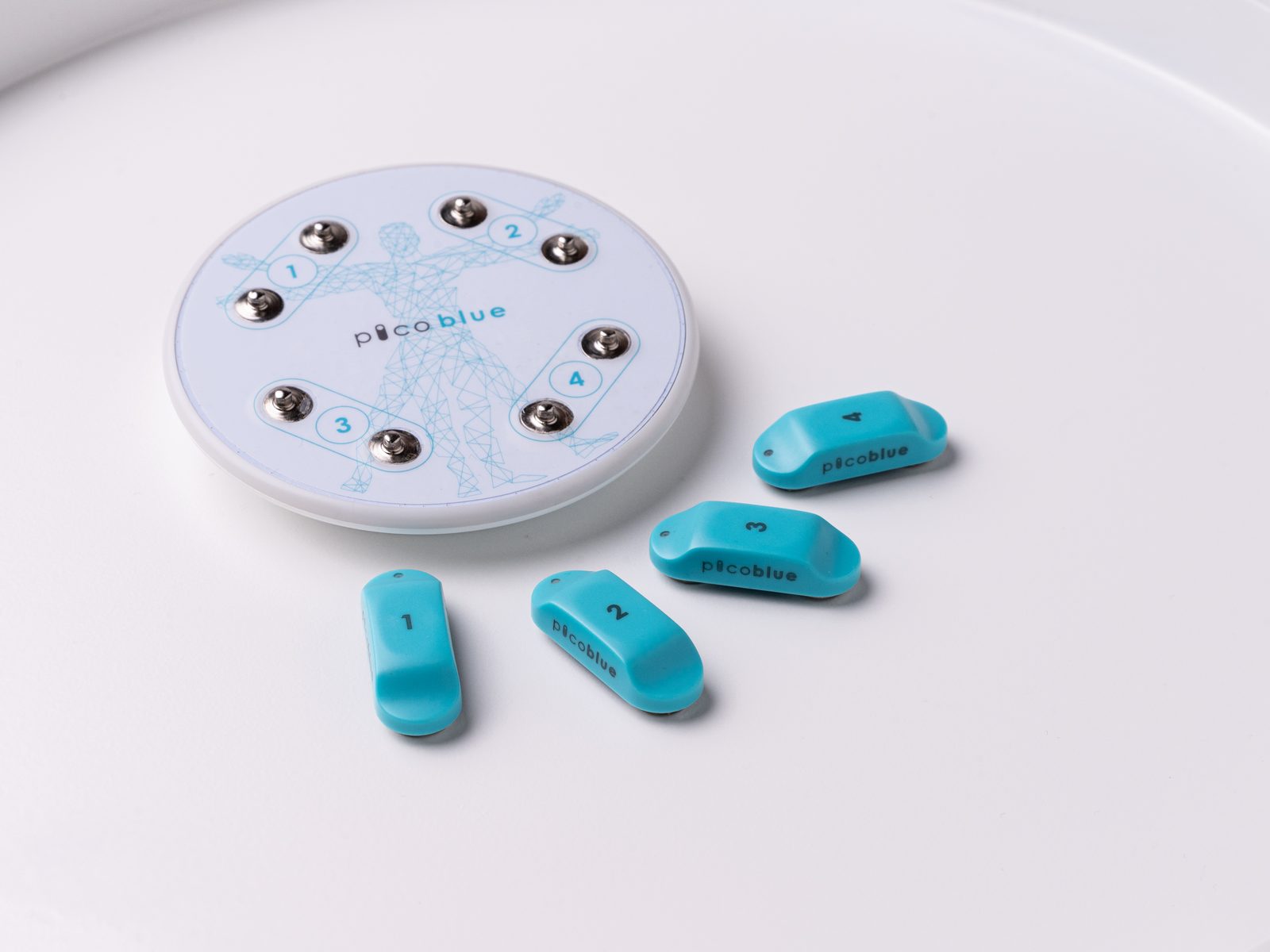
Yes, there are professional EMG systems well below the price of research systems. The market splits into five price classes: standalone devices from about €200, home sensors up to €1,690, subscription apps at €149–344 per month, practice software with one-time purchase (easyEMG: €2,500, complete with CE-certified sensors from €6,249) and research systems from roughly €10,000 to over €25,000. For physiotherapy, rehabilitation and training the practice class is sufficient; research systems only pay off with 8 or more channels or multi-modal measurements.
Is there a professional EMG system well below the price of research systems?
Yes. Anyone looking for an EMG system for a clinic today first runs into two extremes: research and hospital systems in the five-figure range with maintenance contracts and training days, and on the other side home sensors that offer too few channels and no documentation for clinical use. In between sits a class that covers the majority of therapeutic applications: practice software with CE-certified Bluetooth sensors, 2 to 4 channels, biofeedback and reports, as a one-time purchase.
The decisive benchmark is not the software price alone but the total cost of sensors plus software over three years. That calculation is below.
The five price classes at a glance
Net guide prices, as of September 2026. Prices of other vendors are publicly available list and catalogue prices and may vary.
| Price class | Typical price | Channels | Licence | Suited for | Not suited for |
|---|---|---|---|---|---|
| Standalone biofeedback devices | €200–800 | 1–2 | One-time | Simple muscle relaxation, pelvic floor feedback without software | Documentation, progress tracking, several muscles at once |
| Home and consumer sensors | €149–1,690 | 1–2 | One-time | Self-users, exercise support at home | Clinic use with many patients, reports, calibration |
| Subscription apps for clinics | €149–279/month software, €279–344/month with sensors | 1–4 | Subscription, often per device | Clinics that want a short trial or need iOS | Long-term use: €5,364–10,044 software over 3 years |
| Practice software, one-time purchase (easyEMG) | €2,500 software, complete from €6,249 | 2–4 | One-time, site licence | Physiotherapy, rehabilitation, training, progress documentation, physicians | More than 4 channels, motion-capture coupling |
| Research and hospital systems | €10,000–25,000+ | 4–16+ | One-time plus maintenance | Biomechanics labs, gait analysis, studies | Daily clinic use: setup, training and maintenance exceed the need |
The total cost: what a clinic really pays
Anyone without sensors compares complete packages. Three years is the usual planning horizon for clinic equipment.
| Option | Sensors | Software | Total after 3 years |
|---|---|---|---|
| easyEMG bundle 2 channels | PicoBlue 2ch €4,999 | €1,250 (50 % bundle discount) | €6,249 |
| easyEMG bundle 4 channels | PicoBlue 4ch €7,500 | €1,250 (50 % bundle discount) | €8,750 |
| Subscription app with 2 sensors | included in subscription | €279/month | €10,044 |
| Subscription app with 4 sensors | included in subscription | €344/month | €12,384 |
| Research system 4–8 channels | proprietary | desktop licence plus maintenance | from approx. €15,000 |
After three years easyEMG keeps running at no cost; the subscription keeps charging, and the research system’s maintenance contract continues.
What you get in the practice class
The price gap to research systems does not come from sensor quality but from everything around it: proprietary receivers, desktop workstations, analysis packages for studies and service days. The practice class leaves that out and focuses on what treatment needs:
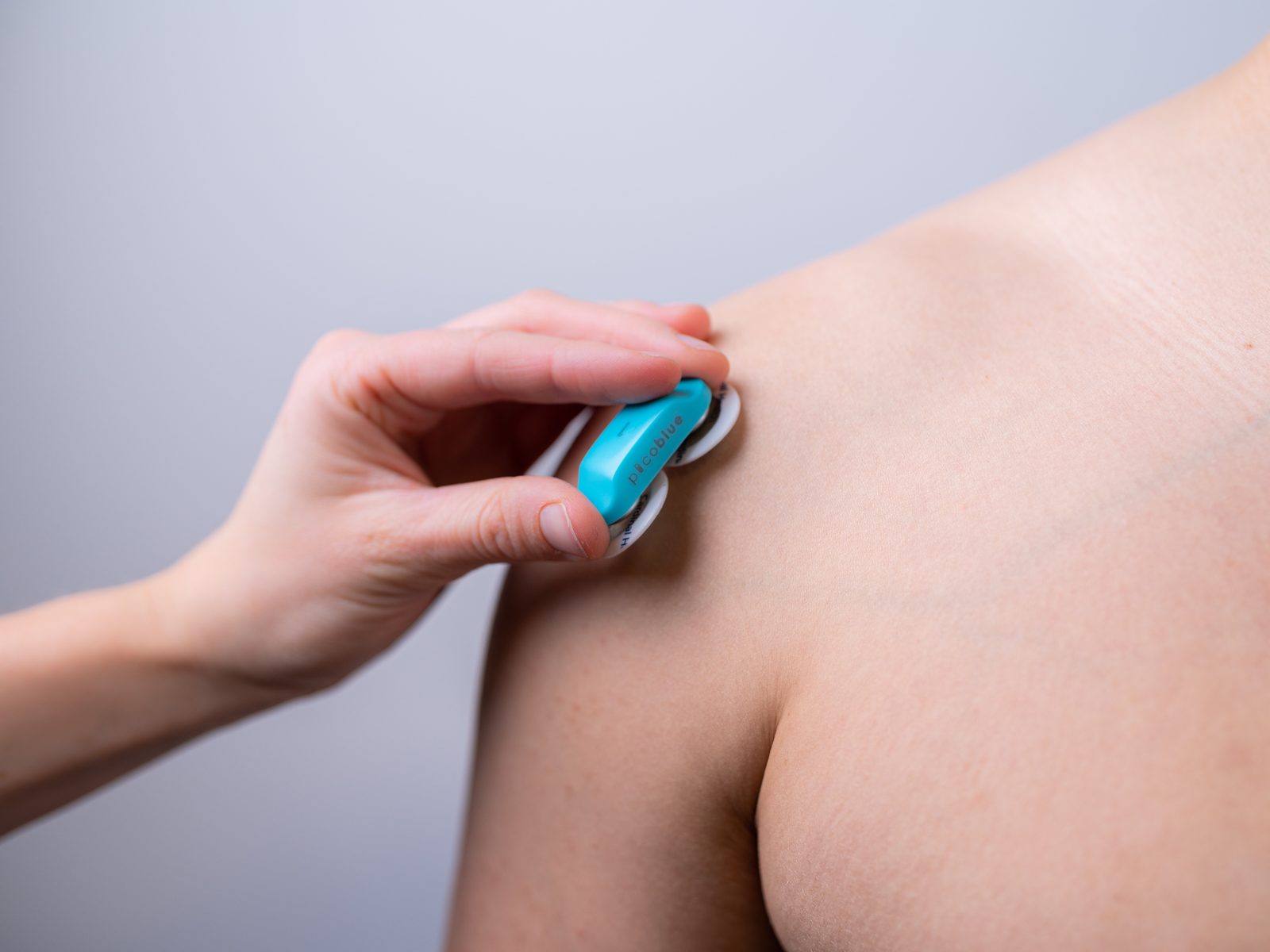
- CE-certified sensors: PicoBlue by Cometa is a Class I medical device, Bluetooth without a receiver box, about 18 hours of battery life
- 2 to 4 channels simultaneously, all channels unlocked in the software at no extra cost
- SENIAM-compliant placement guidance on the 3D avatar so measurements stay comparable between sessions
- 5 biofeedback modes (HOLD, RELAX, RAMP UP, RHYTHM, SYMMETRY) for strengthening, relaxation and side-to-side comparison
- MVC calibration, resting tone measurement, PDF reports with practice logo and raw data export as CSV
- Setup in under 30 minutes, no mandatory training, unlimited tablets per practice
- All updates included, usable offline for 60 days
Full details: Pricing & Costs and One-time purchase vs. subscription.
When a research system is still worth it
Honestly: there are requirements the practice class is not built for.
- 8 or more channels for gait analysis or whole-body patterns
- Synchronisation with motion capture, force plates or video in one system
- Study protocols that prescribe specific analysis software or raw-data formats
- Clinical nerve conduction studies (needle EMG), which require an entirely different device
Anyone who needs none of that pays for reserves in a research system that are never used in daily practice.
When a subscription app is the better choice
- You want to try the topic for only a few months (break-even against the one-time purchase is around 17 months)
- You are committed to iOS (easyEMG runs on Android tablets)
- Your use case requires software certified as a medical device
How to compare quotes properly
Six questions that make prices comparable in the first place:
- Total cost over 3 years including sensors, software, maintenance and training, not the entry price
- Are all channels included or is pricing tiered per sensor or channel?
- How many devices may use the software? Per device, per workstation or per practice?
- Is training or certification mandatory, and what does it cost on top?
- Are updates included or tied to an ongoing contract?
- Do you own your data? Export of raw data to an open format (such as CSV) or only inside the vendor portal?
Frequently asked questions about the price comparison
How much does an EMG system cost for a physiotherapy practice?
For clinic use with 2 channels, complete packages of CE-certified sensors and software range from about €6,000 one-time to around €10,000 over three years on subscription. easyEMG with PicoBlue 2-channel costs €6,249 net as a one-time purchase.
Are there EMG systems under €3,000?
Yes, but in this price class you get either the software alone (easyEMG: €2,500) or home and standalone devices with 1 to 2 channels and no clinic features. Anyone without sensors should budget for the complete price.
Why are research systems so much more expensive?
Because they are built for different tasks: high channel counts, synchronisation with motion capture and force measurement, desktop analysis packages for studies and service offerings. You pay for those reserves even if the practice never uses them.
Are cheaper EMG systems less accurate?
The sensor is what matters. easyEMG uses the same sensor class found in laboratories: PicoBlue by Cometa, CE-certified, 1,000 Hz sampling rate over Bluetooth. The price difference to research systems lies in channel count, accessories and analysis packages, not in signal quality.
Can I expand an affordable system later?
With easyEMG, yes: the software supports 4 channels from the start. If you begin with 2 PicoBlue sensors, you add sensors later without changing the licence.
Can I test before buying?
Biofeedback cannot be meaningfully tried without sensors. That is why we show easyEMG in a live demo on a real use case with real sensors, on request with your own questions. Afterwards you will know whether the practice class is enough for you.
Is easyEMG a medical device?
No. easyEMG is biofeedback and analysis software, not a medical device under the EU MDR. The PicoBlue sensors by Cometa are a CE-certified Class I medical device.
easyEMG is not a medical device under the MDR and is not intended for diagnosis or treatment of diseases. This application does not replace professional medical advice, diagnosis or therapy. The PicoBlue hardware is a CE-certified medical device.
Found your price class? Book a demo.
20-minute live demo on a real use case — with real sensors, not slides.
The confirmation with a Teams link arrives automatically — takes less than a minute.
Booking opens Microsoft Bookings in a new tab. Details on data processing can be found in our privacy policy.
Prefer writing? Send us a message — we reply within 24 hours.